How to take photos of your Heavy Equipment
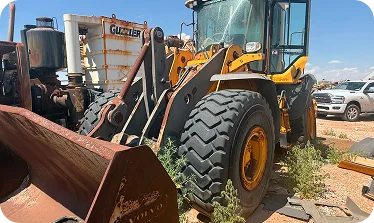
Ensure to take pictures of each side of the equipment
- Showing as much wear and assembly as possible
- The more pictures the better
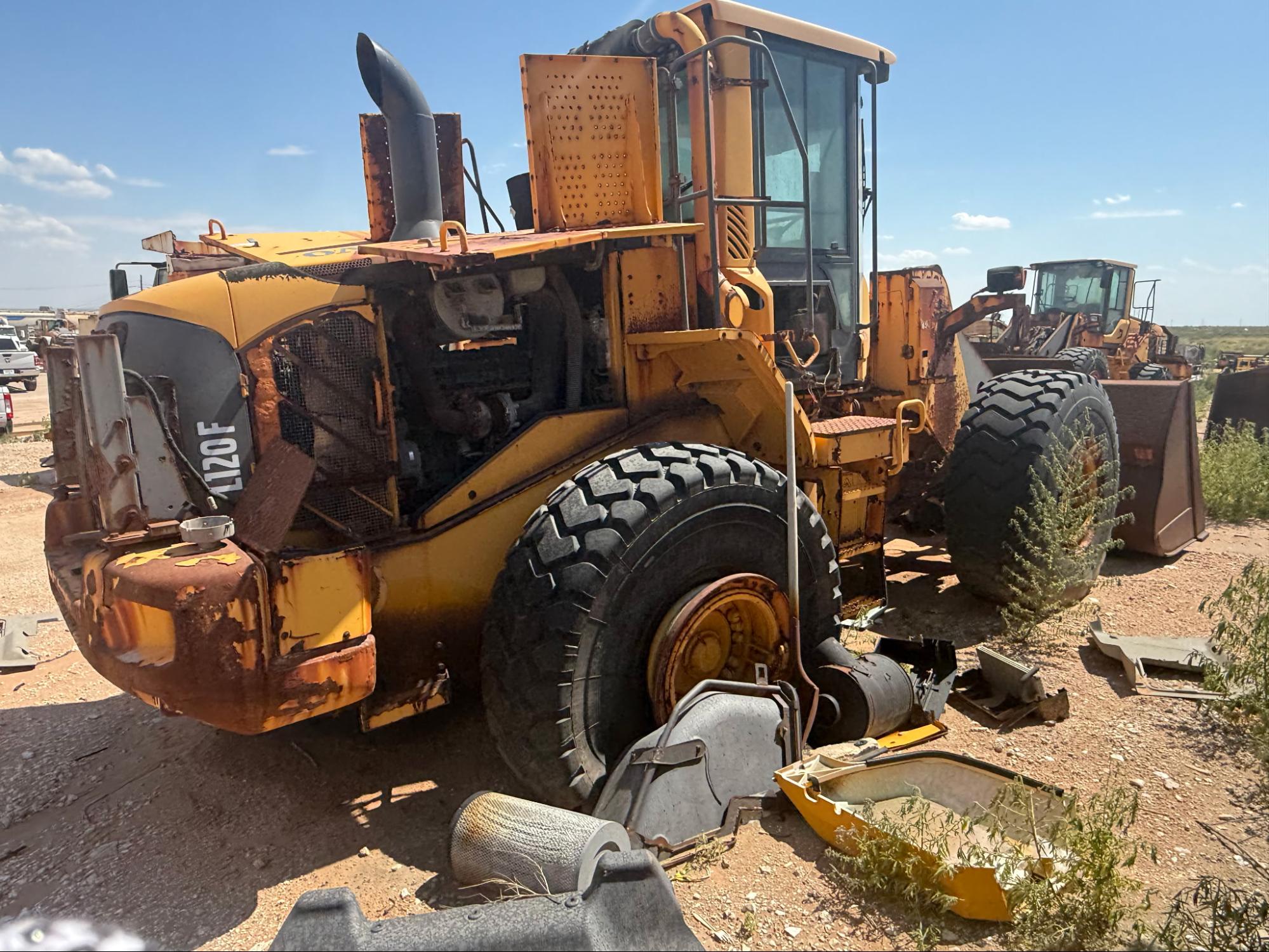
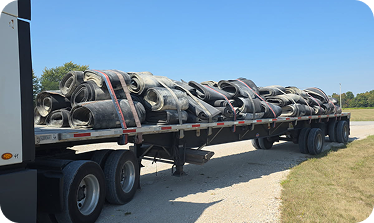
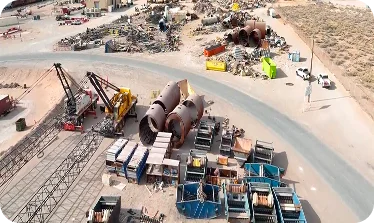
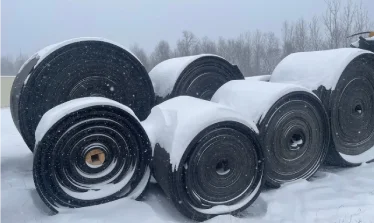
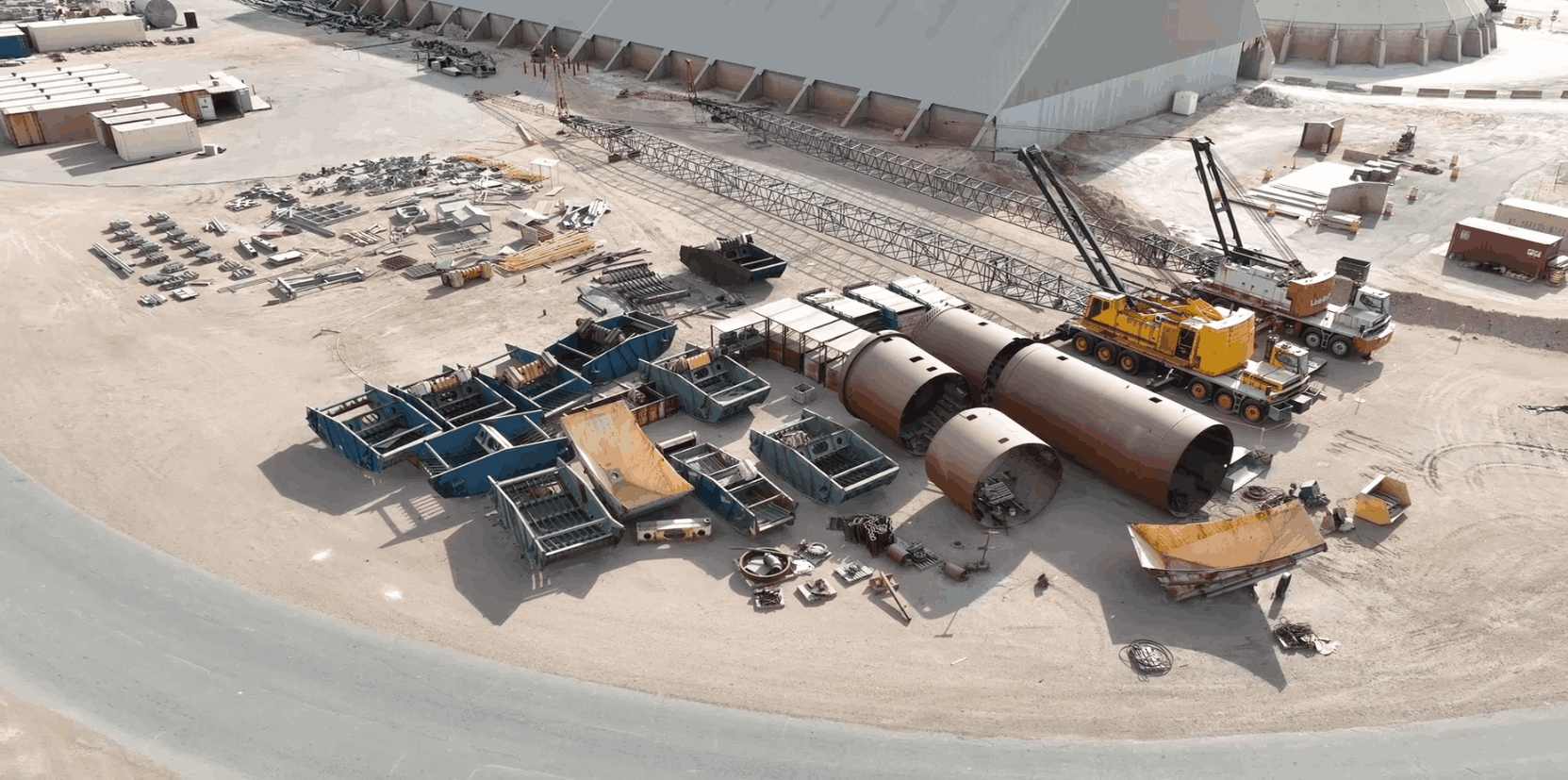
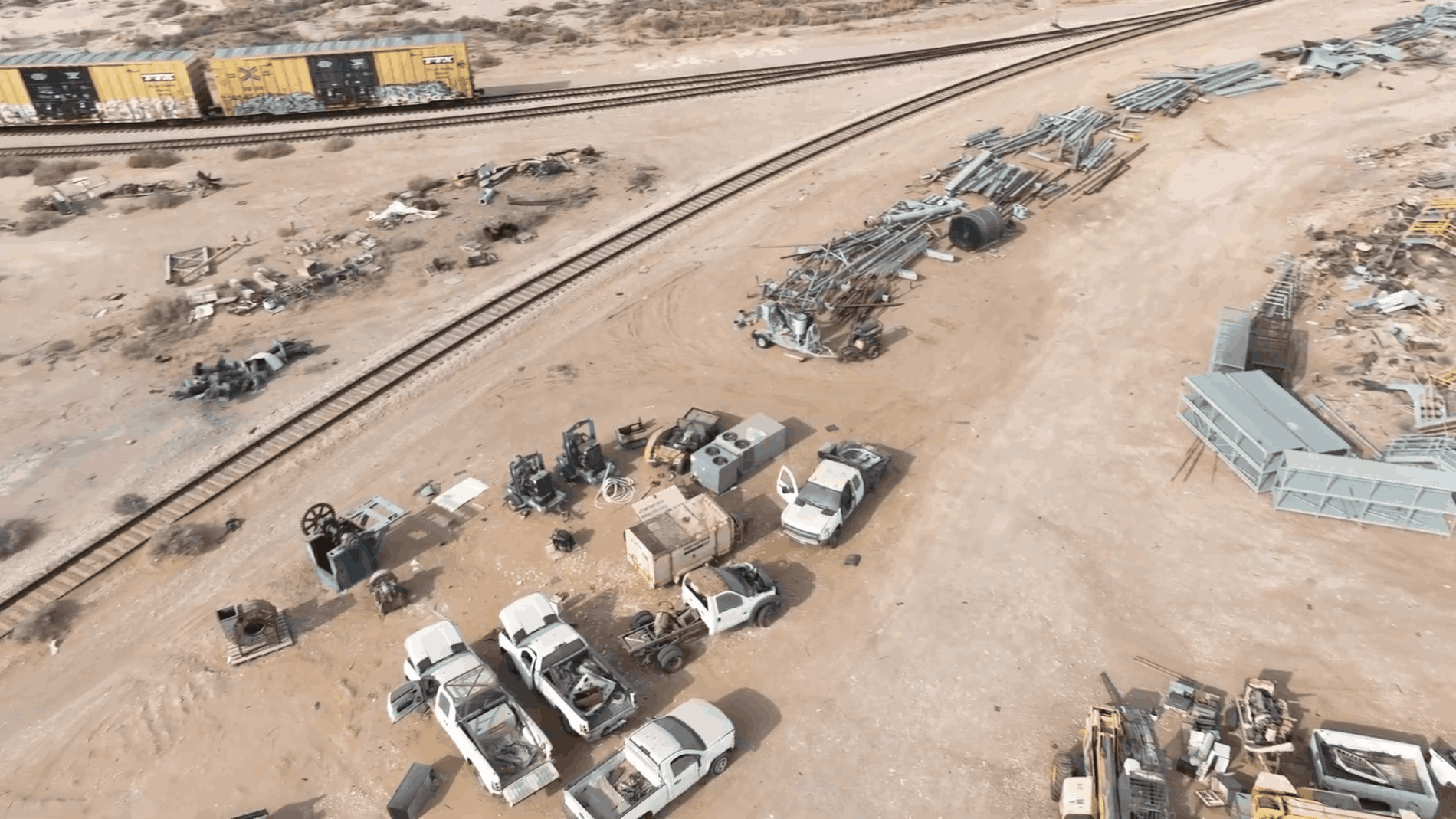
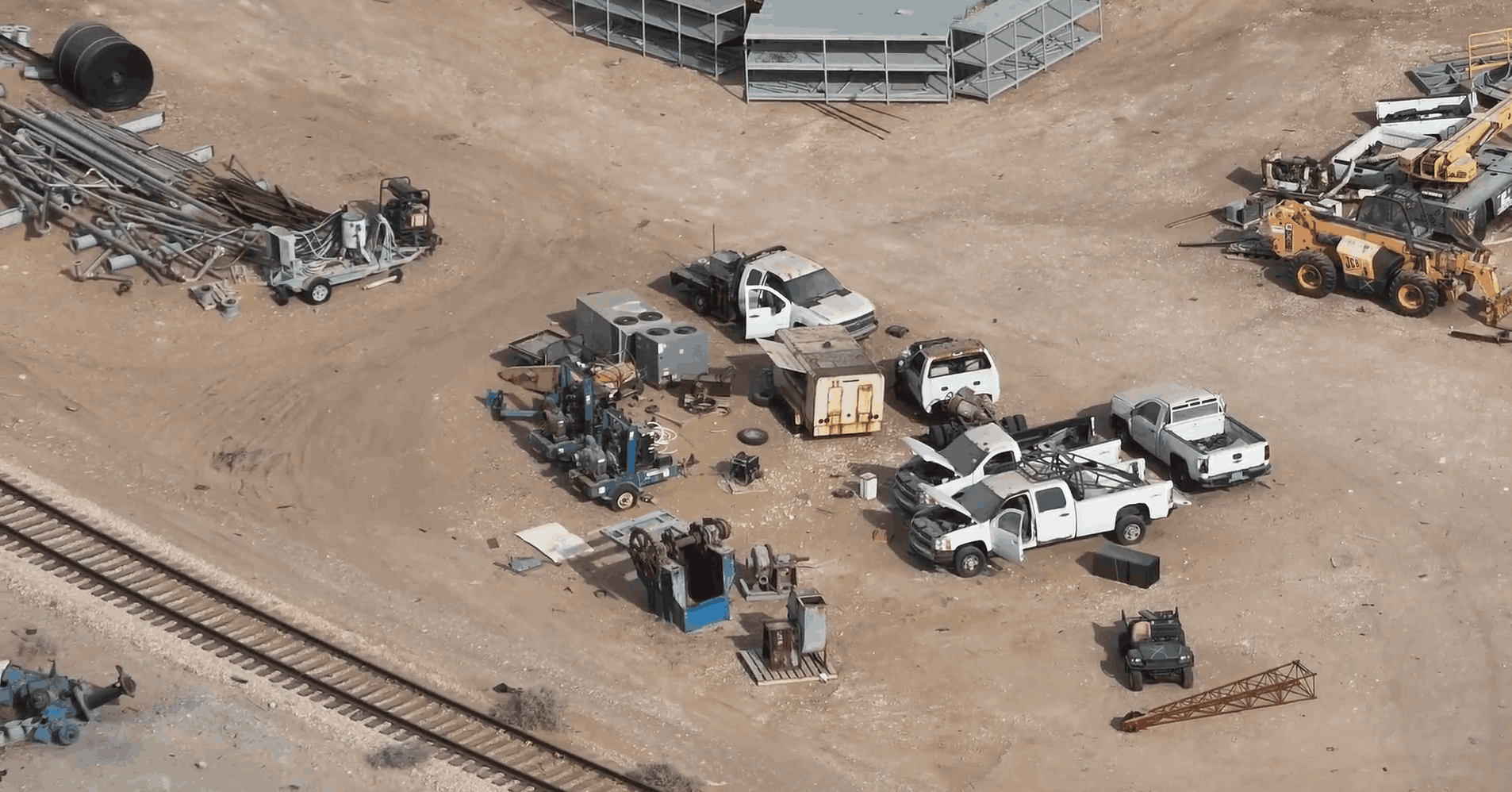
- Photos like the above are great to see overall condition of the equipment to plan ways to load and ship equipment.
Dataplates/make/model/serial number
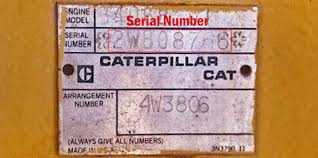
- The machine’s data plate contains the manufacturer identification and serial number used for tracking equipment history and parts compatibility.
- Manufacturer:
- Model:
- Serial Number / PIN:
- Year of Manufacture:
- Number of Hours/ Machine Usage
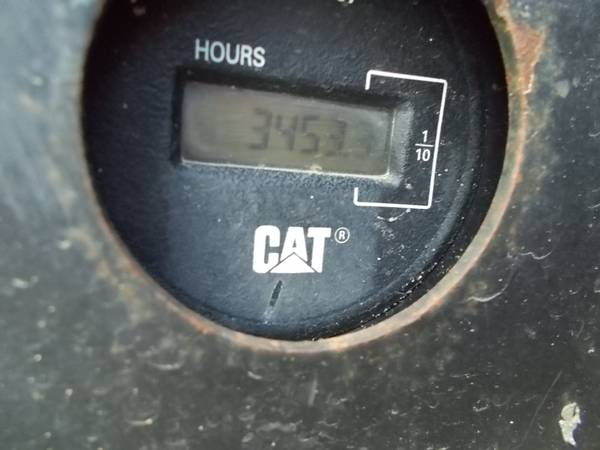
- The hour meter reflects the amount of time the machine has been operated and can help determine overall wear and maintenance intervals.
- Hour Meter Reading:
- Meter Type: Digital / Analog
- Meter Condition: Working / Unknown / Replaced
Selling Used Heavy Equipment to EZA
-
- Turn Old Machinery Into Value
- Unused or abandoned heavy equipment can quickly become a safety hazard and take up valuable space on industrial sites. Whether it’s outdated processing machinery, damaged equipment, or decommissioned units, EZA buys it and arranges the transportation.
- We evaluate the equipment from your photos, make an offer, and arrange the freight.
- Turn Old Machinery Into Value
Site Assessment & Planning
-
- Every purchase starts with understanding the equipment and site conditions. From your photos and details, our team reviews:
- Equipment size and weight
- Structural condition of the machinery
- Accessibility for loading equipment
- Potential salvage or parts recovery value
- Transportation requirements
- Every purchase starts with understanding the equipment and site conditions. From your photos and details, our team reviews:
-
- Some machines can ship intact, while others must be taken apart by you or your contractor to meet transport limits.
Equipment Preparation
-
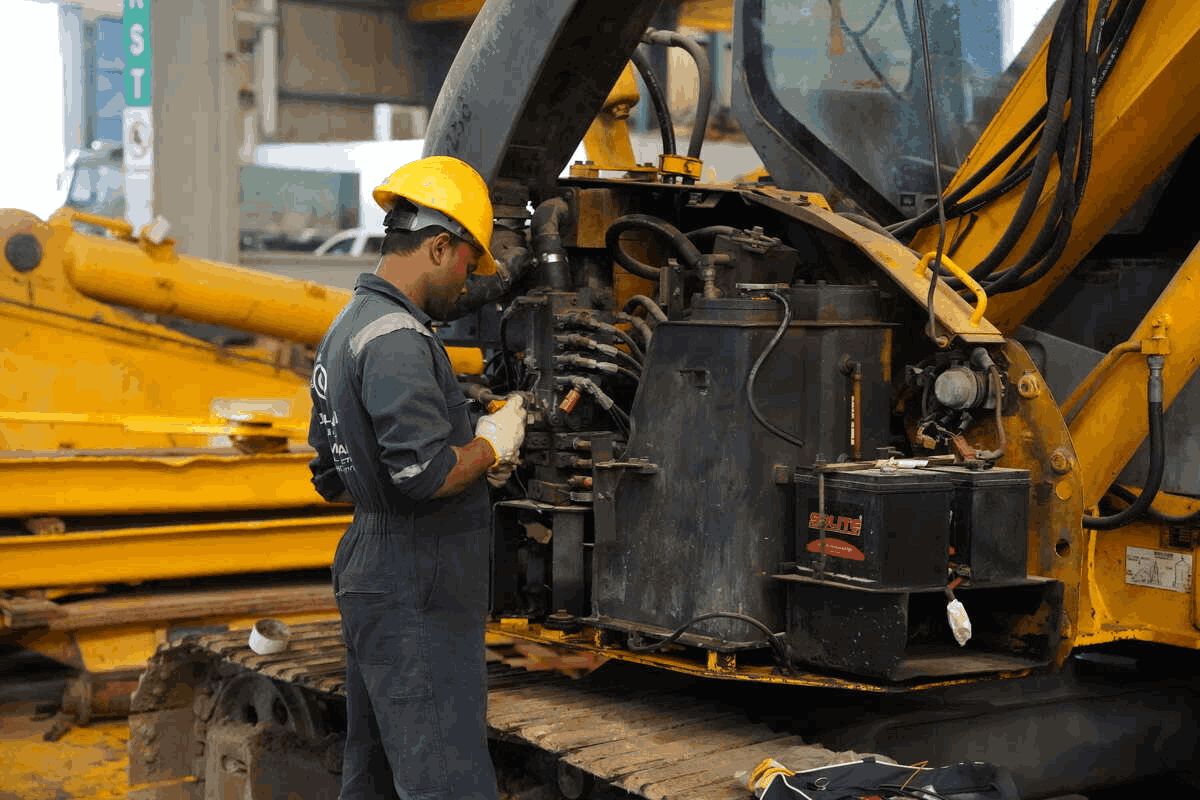
- Before heavy equipment can be moved, your crew or contractor must often prepare it for safe transport.
- Preparation may include
- Draining fuel, oil, hydraulic fluids, and coolant
- Removing attachments such as buckets, conveyors, guards, or motors
- Disconnecting power sources
- Separating major structural components when necessary
- Before heavy equipment can be moved, your crew or contractor must often prepare it for safe transport.
-
- Proper preparation helps prevent environmental issues and ensures loads remain safe during transport.
Downsizing Equipment for Transport
-
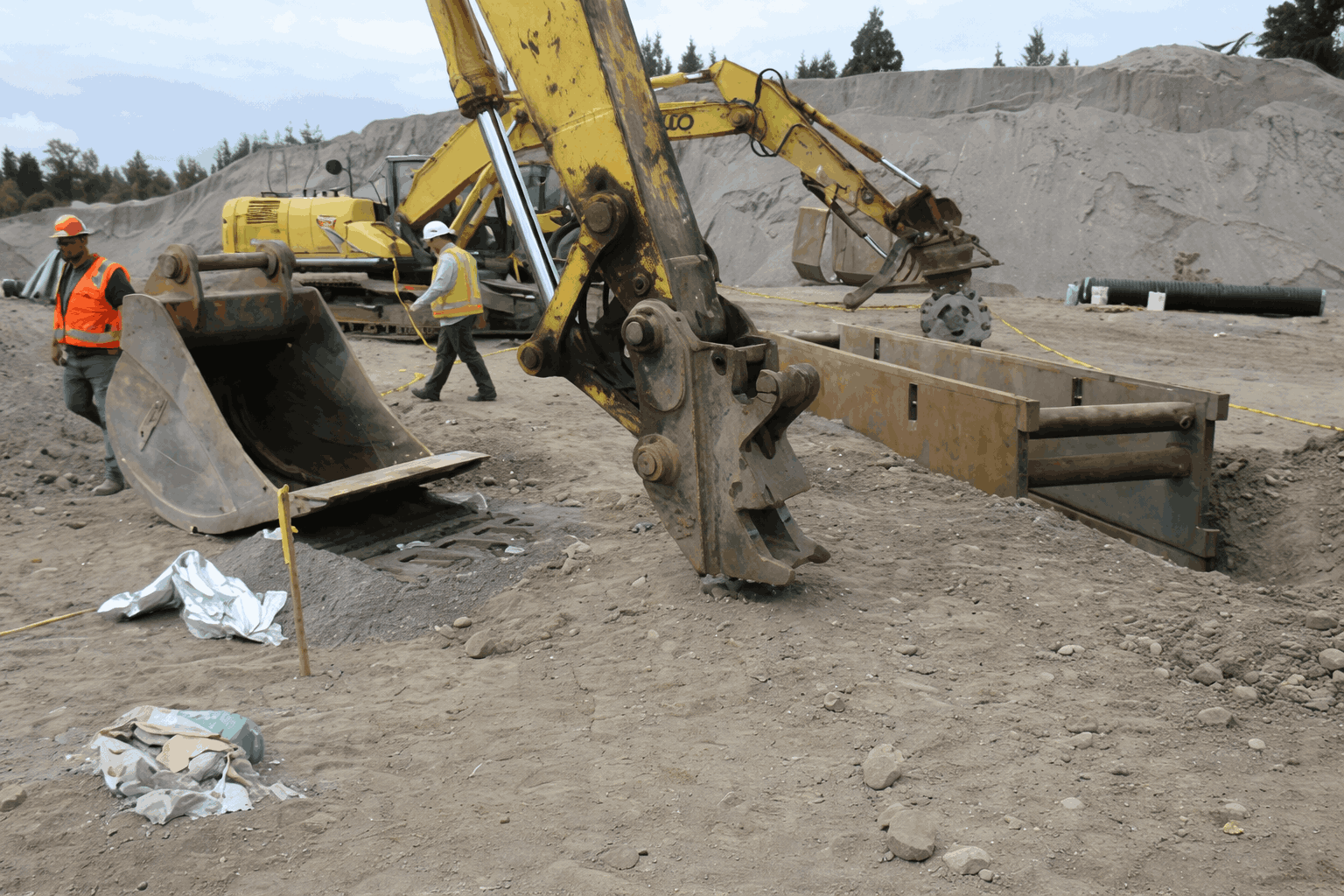
- Large industrial machinery often exceeds highway transport limits. In these cases, equipment must be broken down into manageable sections.
- Common methods include:
- Mechanical dismantling of machine components
- Torch cutting structural steel frames
- Cold cutting using saws when flame cutting is restricted
- Hydraulic shears for heavy structural materials
-
- This allows equipment to be safely loaded and transported without exceeding weight or size limits.
Loading Heavy Equipment
-
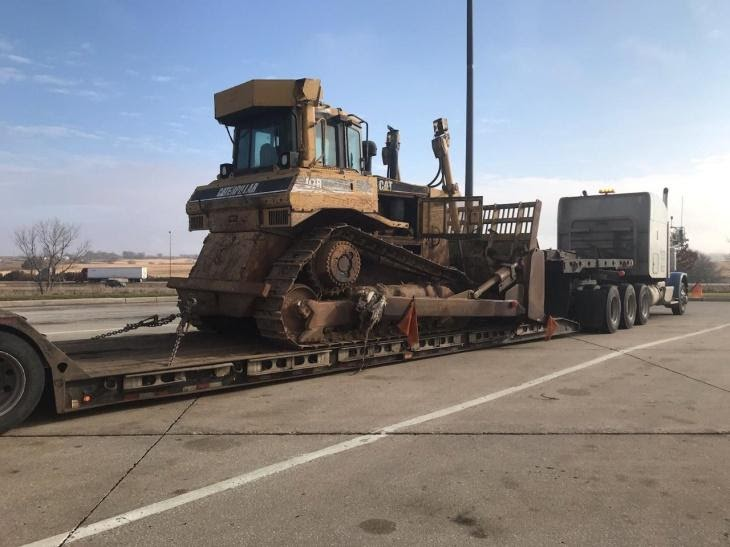
- Once machinery is prepared, the next step is safe loading for transport.
- Depending on the project, equipment may be loaded using:
- Cranes for heavy lifting
- Forklifts for smaller components
- Winches for pulling equipment onto trailers
- Heavy Duty Frontend Loader
-
- Proper weight distribution and load securement are essential for safe transportation.
Transportation & Logistics
-
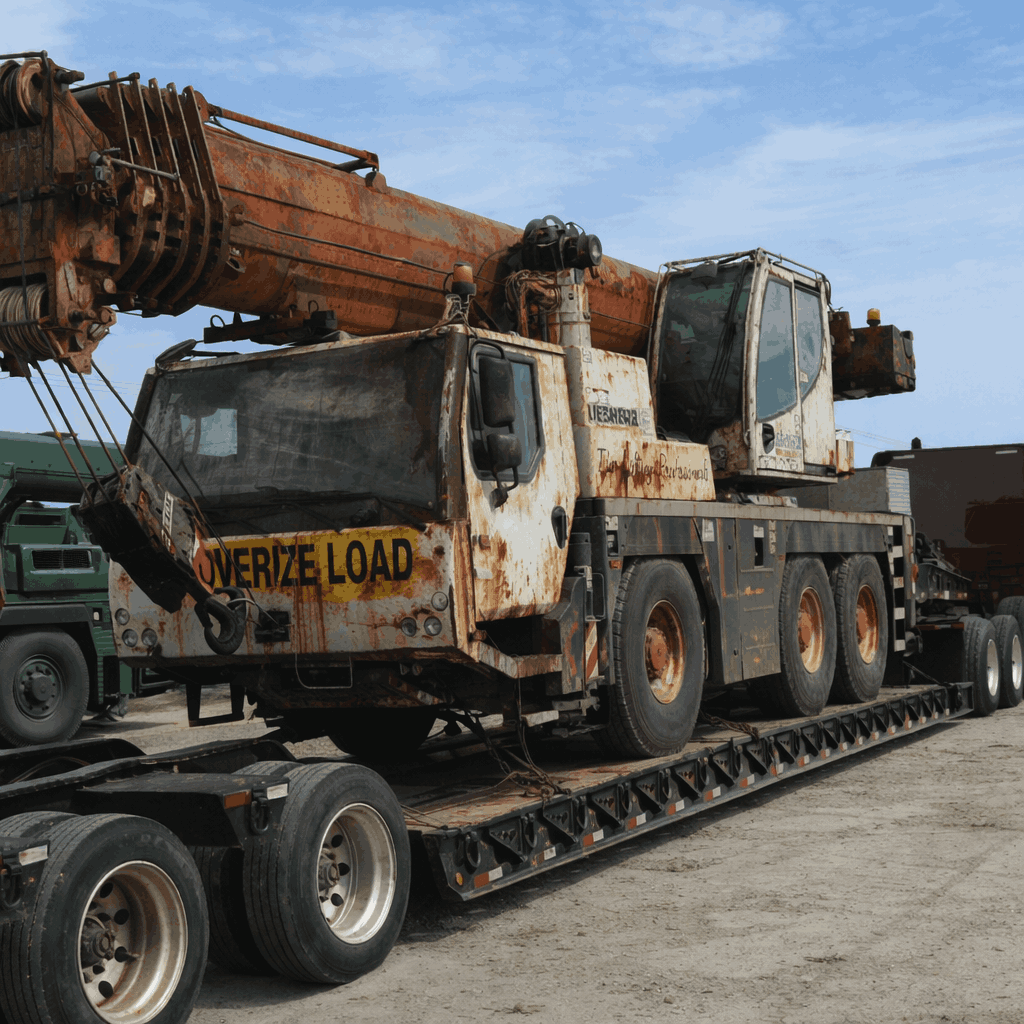
- Typical transport methods include:
- Lowboy trailers for large intact machinery
- Flatbeds for dismantled equipment components
- Roll-off containers for smaller scrap materials
- Step-deck trailers for mid-sized equipment
- Typical transport methods include:
-
- Our team coordinates transportation logistics to ensure equipment is moved efficiently and safely.