Sell Us Your Scrap Metal
Show us your unwanted materials
-
- Send Videos and Photos of the material on site for our team to review
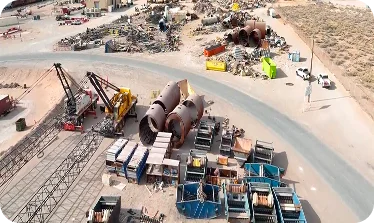
- Aerial drone video preferred
- Our team needs to see your full boneyard and materials to make an offer and plan the pickup and freight
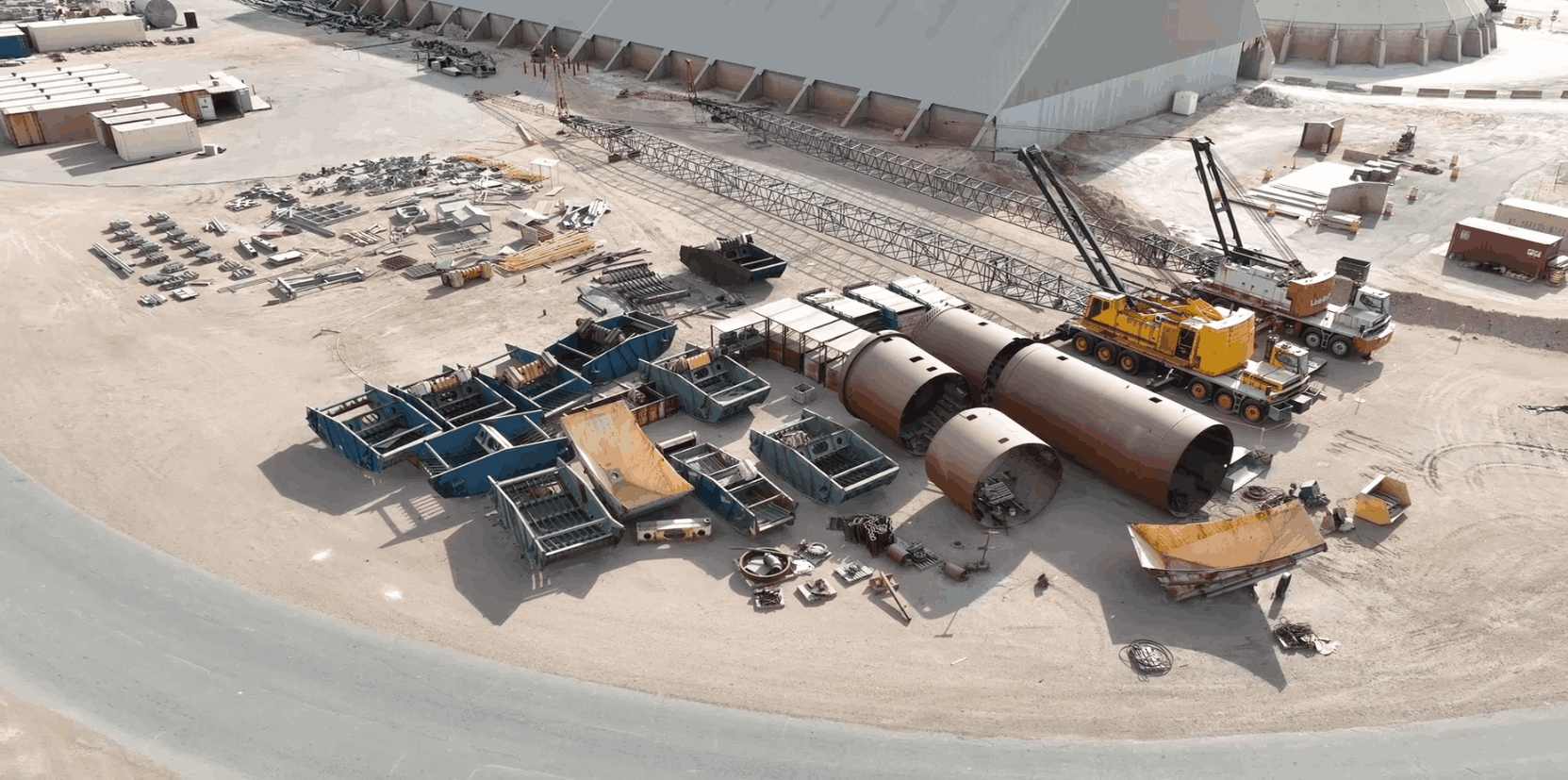
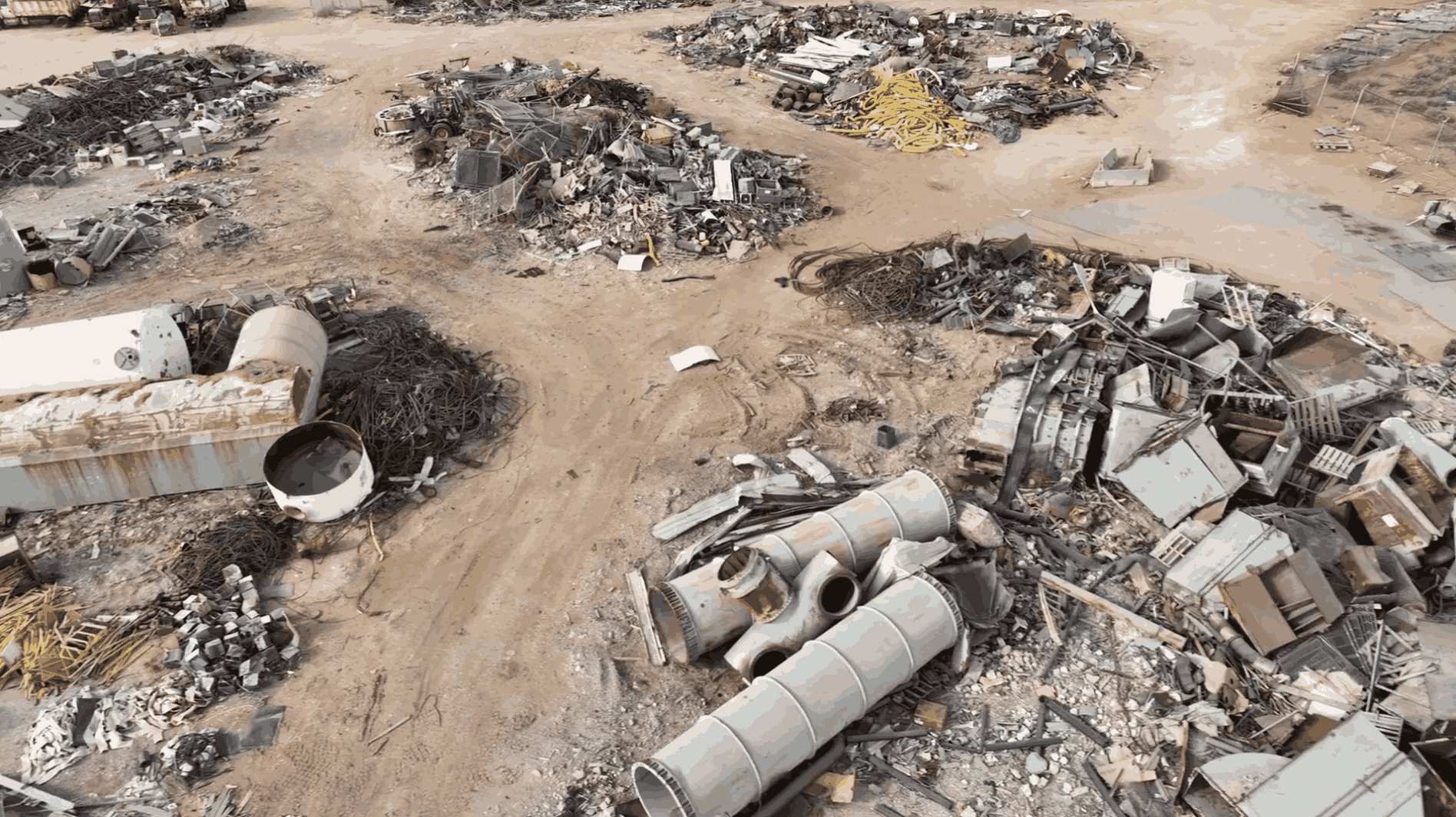
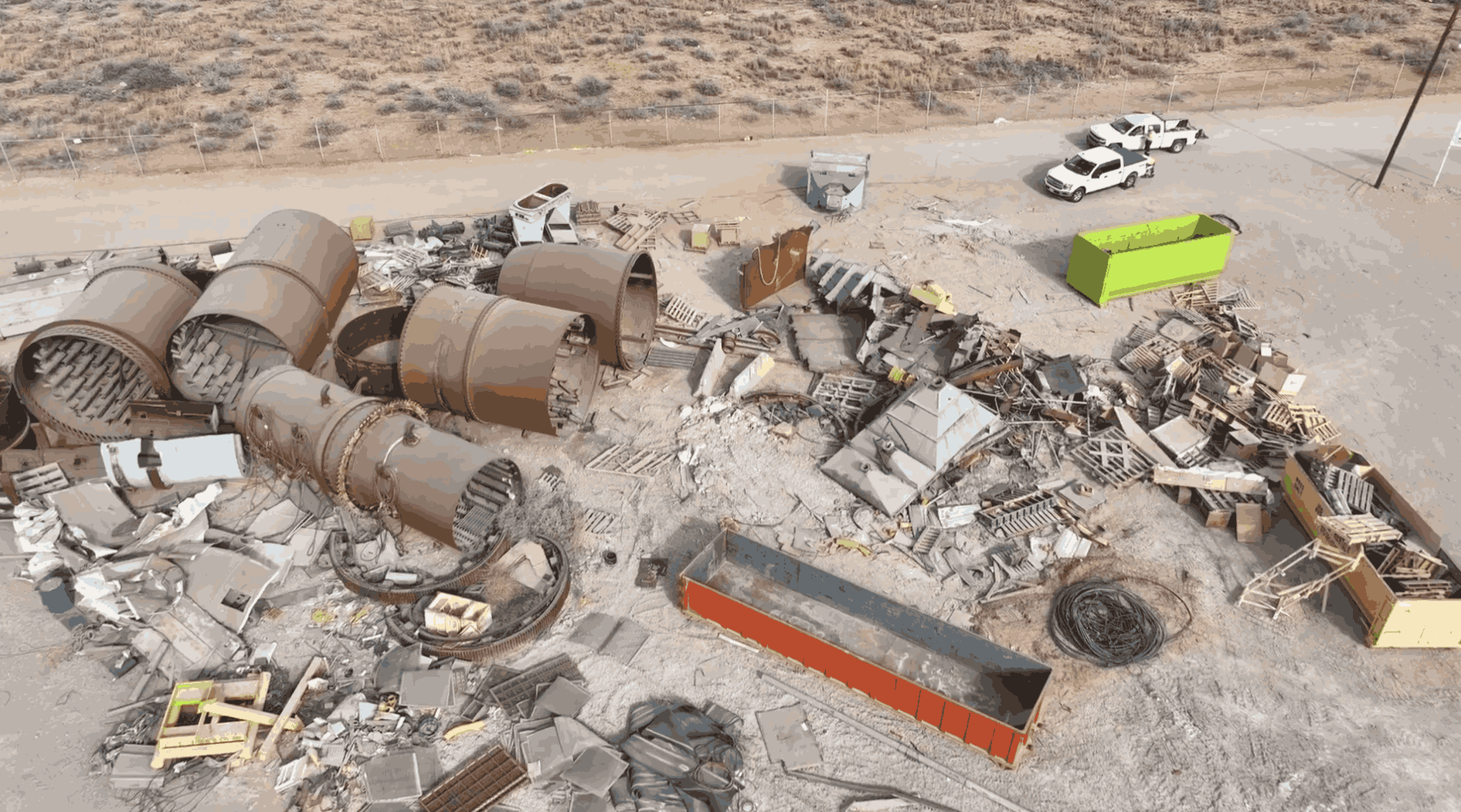
Material Assessment Review
- Our team reviews the photos and videos of your material, then contacts you with an offer based on metal type, volume, and current market pricing.
Picking the right setup for you
- Large accumulations (several hundred tons): we schedule the trucks and handle the freight.
- Smaller lots (under 200 tons): we can arrange roll-off containers or trucks.
- Ongoing scrap: we can arrange recurring containers that are swapped when full, so the metal your site generates keeps getting sold.
Paperwork for every load
For every load we buy, we provide detailed paperwork on the amount of material purchased and shipped.
How a sale works
We buy and sell used industrial material across North America from our headquarters in Texas, and we handle the logistics: trucks, containers, scheduling, and freight.
The guide below is for your crew or contractor: common ways scrap metal is cut and loaded for transport.
How Scrap Metal can be cut
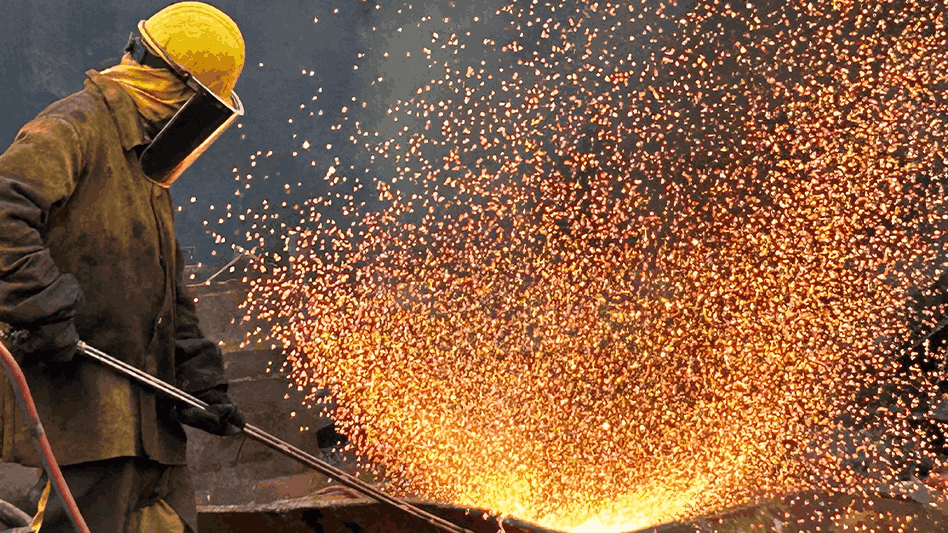
Oxy-Fuel (Torch) Cutting
-
- The most common method for thick steel.
- Uses oxygen and fuel gas (typically acetylene or propane)
- Ideal for structural steel, heavy plate, beams, tanks, and large equipment
- Portable and effective for field work
- Common on plant demolitions and job sites
- Best for: Heavy carbon steel and oversized material.
- The most common method for thick steel.
Plasma Cutting
- Used for cleaner, faster cuts on thinner steel.
- Electrically generated plasma arc
- More precise than torch cutting
- Common for sheet metal and lighter structural components
- Best for: Medium to thin materials requiring cleaner cuts.
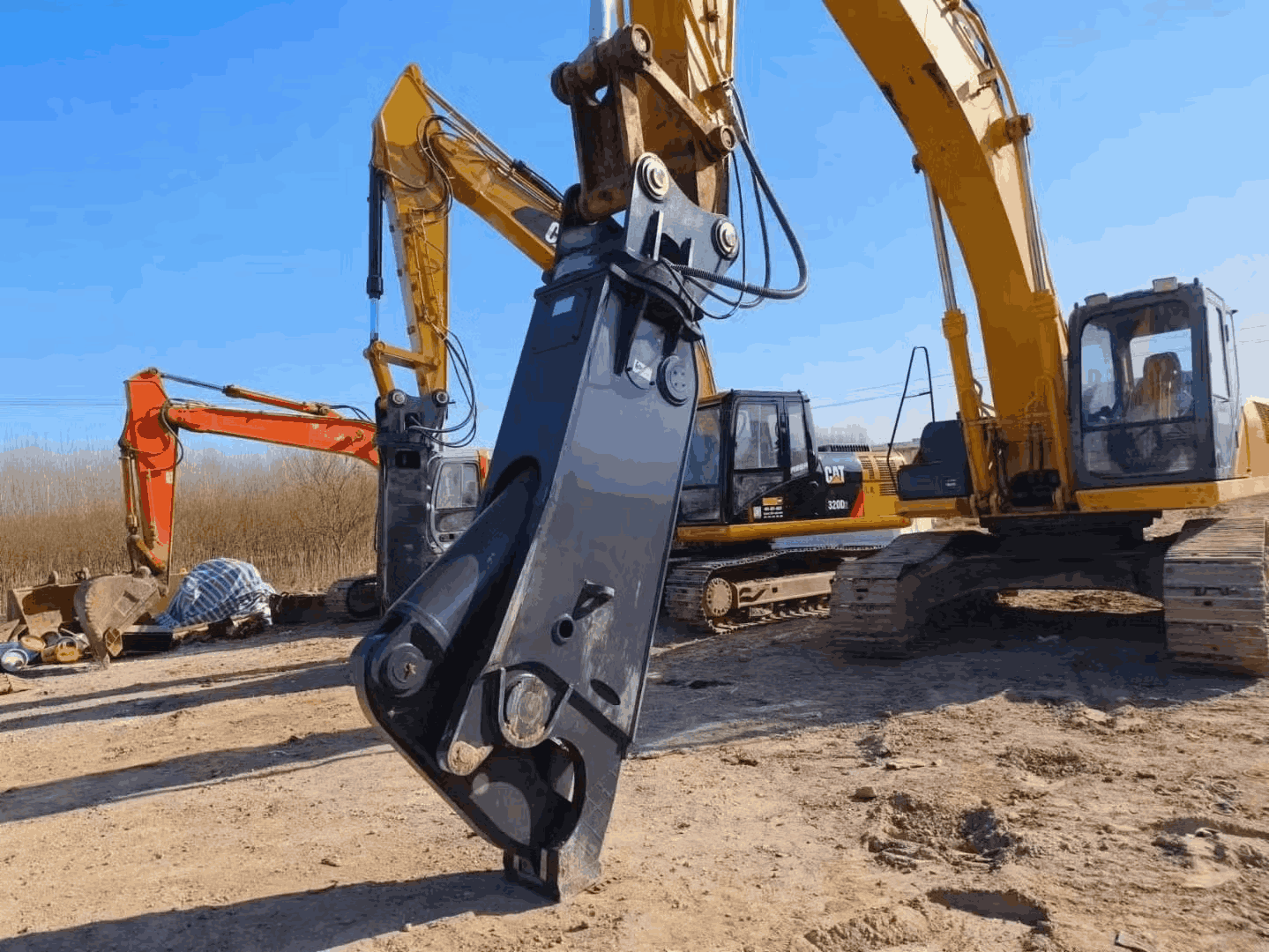
Hydraulic Shears (Excavator-Mounted)
-
- Large demolition shears attached to excavators.
- Cuts steel beams, pipe, and structural components
- Extremely efficient for high-volume processing
- No open flame (safer in certain environments)
- Best for: Industrial demolition and structural tear-down.
- Large demolition shears attached to excavators.
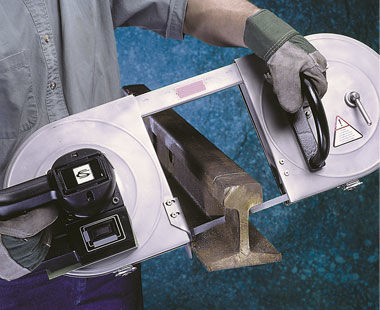
Cold Cutting (Sawing)
- Used when heat or sparks are restricted.
- Band saws or large industrial saws
- Often required in sensitive facilities
- Slower but controlled
- Best for: Controlled environments or spark-restricted areas.
How Scrap Metal can be loaded
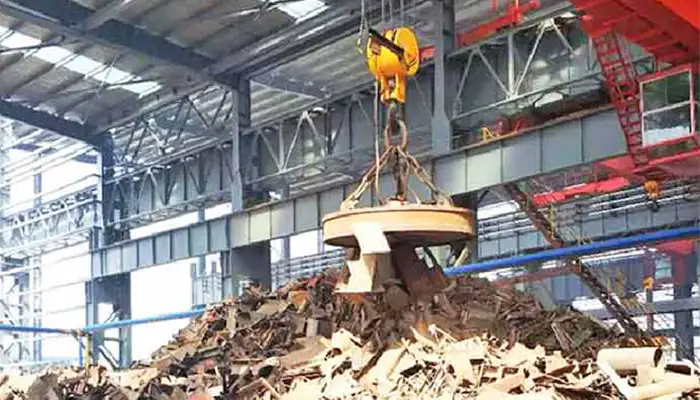
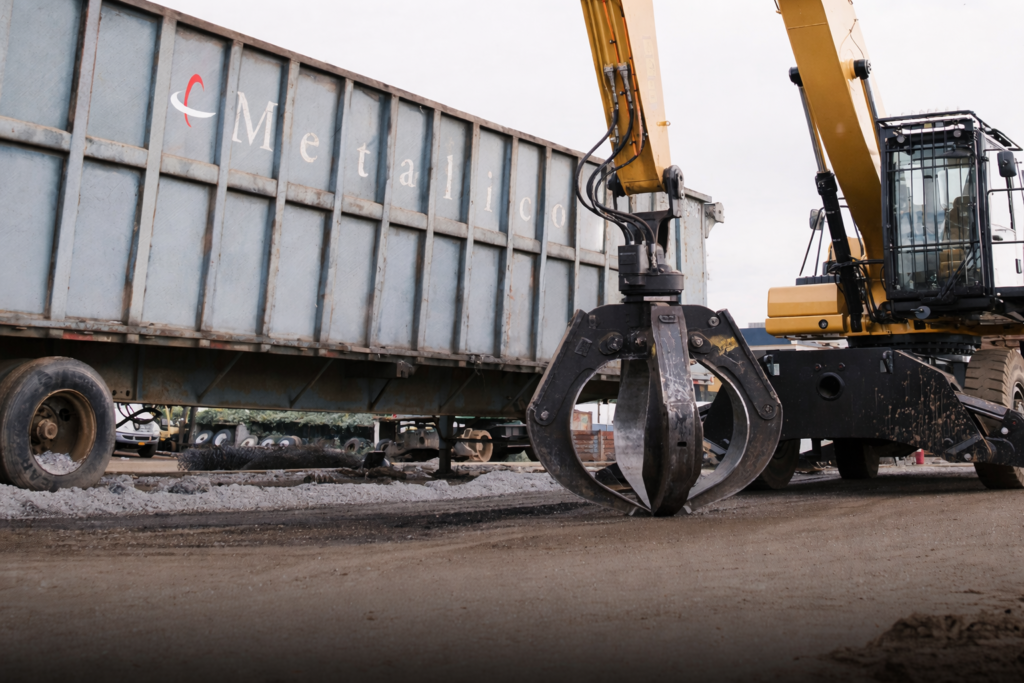
- Excavators with Grapples or Magnets
- The most common loading method.
- Hydraulic grapples grab and place material
- Industrial magnets lift ferrous metals quickly
- Efficient for bulk scrap piles
- Best for: High-volume scrap piles
- The most common loading method.
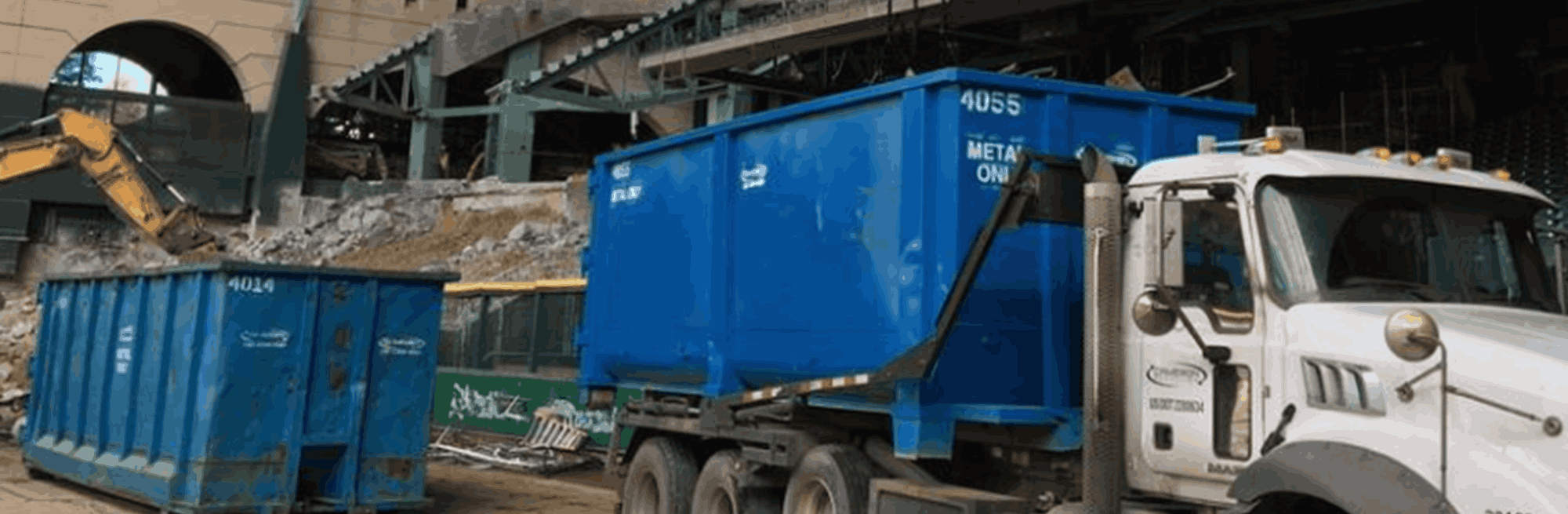
- Roll-Off Containers
- For smaller lots or ongoing scrap.
- Scrap is loaded into containers on site
- Containers are swapped out when full
- Keeps sites organized and safe
- Best for: Continuous scrap generation.
- For smaller lots or ongoing scrap.
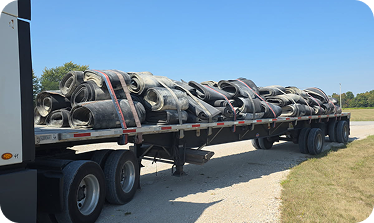
- Flatbed & Lowboy Trailers
- For oversized or heavy material.
- Structural steel and large components are secured with chains
- Often loaded with cranes or heavy equipment
- Best for: Large beams, tanks, or heavy machinery.
- For oversized or heavy material.
- End Dump or Walking Floor Trailers
- For loose, bulk scrap.
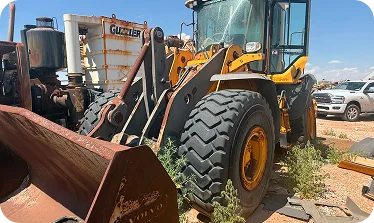
- Loaded with excavators or loaders
- Efficient for shredded or smaller scrap pieces
- Best for: Processed scrap and loose material.
- For loose, bulk scrap.