How to take photos of your Heavy Equipment
Ensure to take pictures of each side of the equipment
- Showing as much wear and assembly as possible
- The more pictures the better
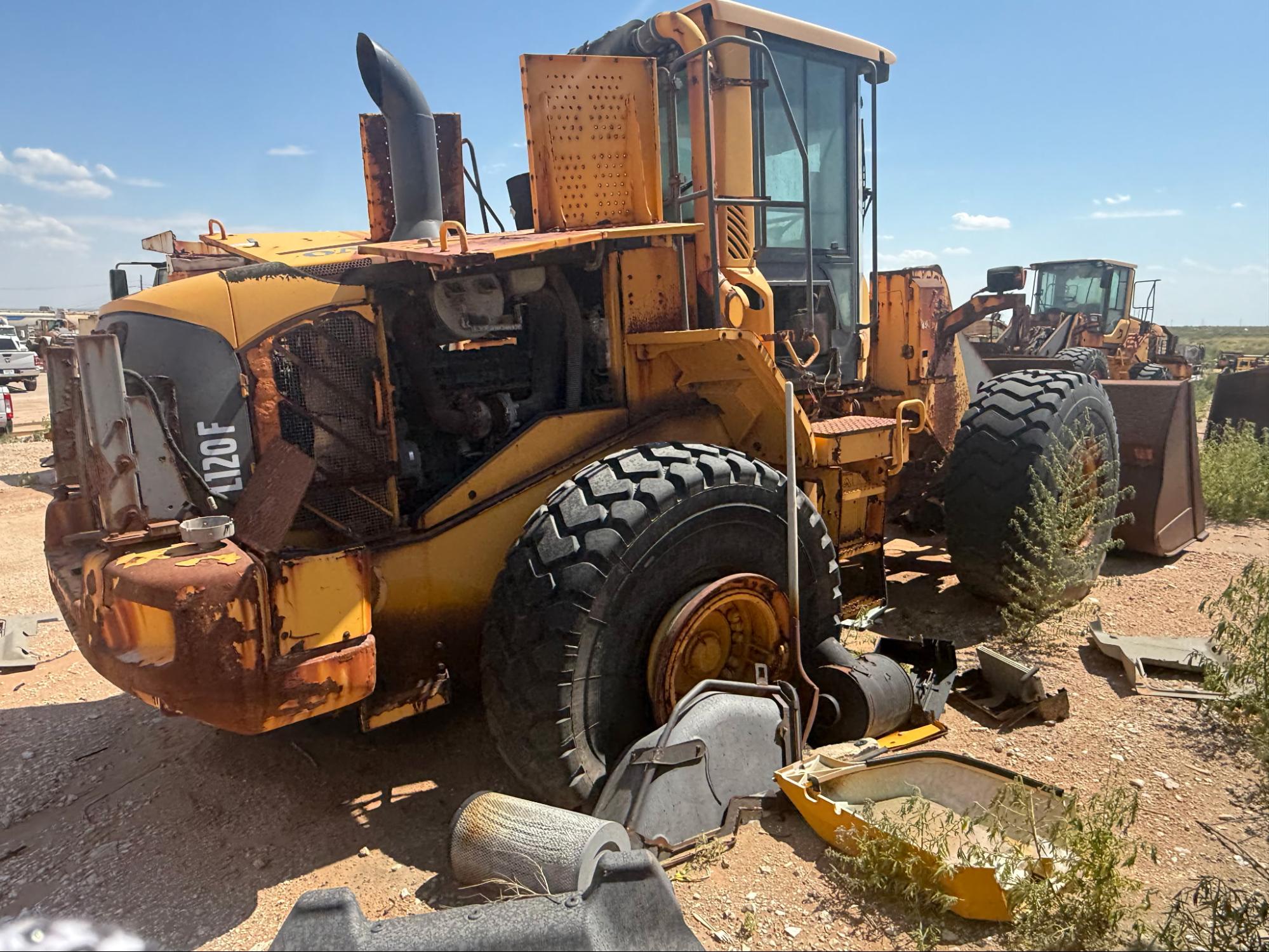
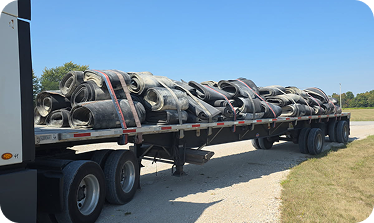
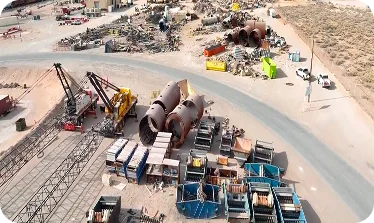
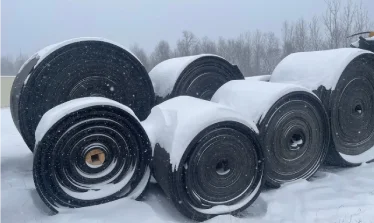
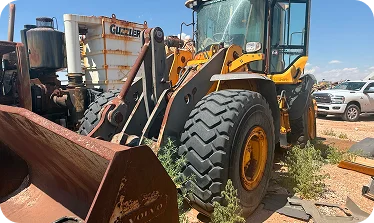
- Photos like the above are great to see overall condition of the equipment to plan ways to load and ship equipment.
Dataplates/make/model/serial number
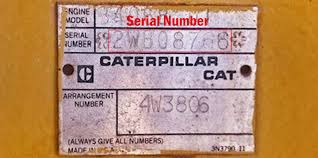
- The machine’s data plate contains the manufacturer identification and serial number used for tracking equipment history and parts compatibility.
- Manufacturer:
- Model:
- Serial Number / PIN:
- Year of Manufacture:
- Number of Hours/ Machine Usage
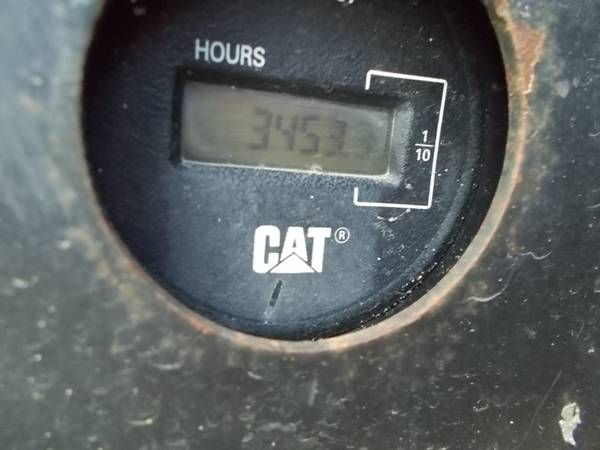
- The hour meter reflects the amount of time the machine has been operated and can help determine overall wear and maintenance intervals.
- Hour Meter Reading:
- Meter Type: Digital / Analog
- Meter Condition: Working / Unknown / Replaced
Used Heavy Equipment Cleanup & Removal
-
- Clear Out Old Machinery Safely and Efficiently
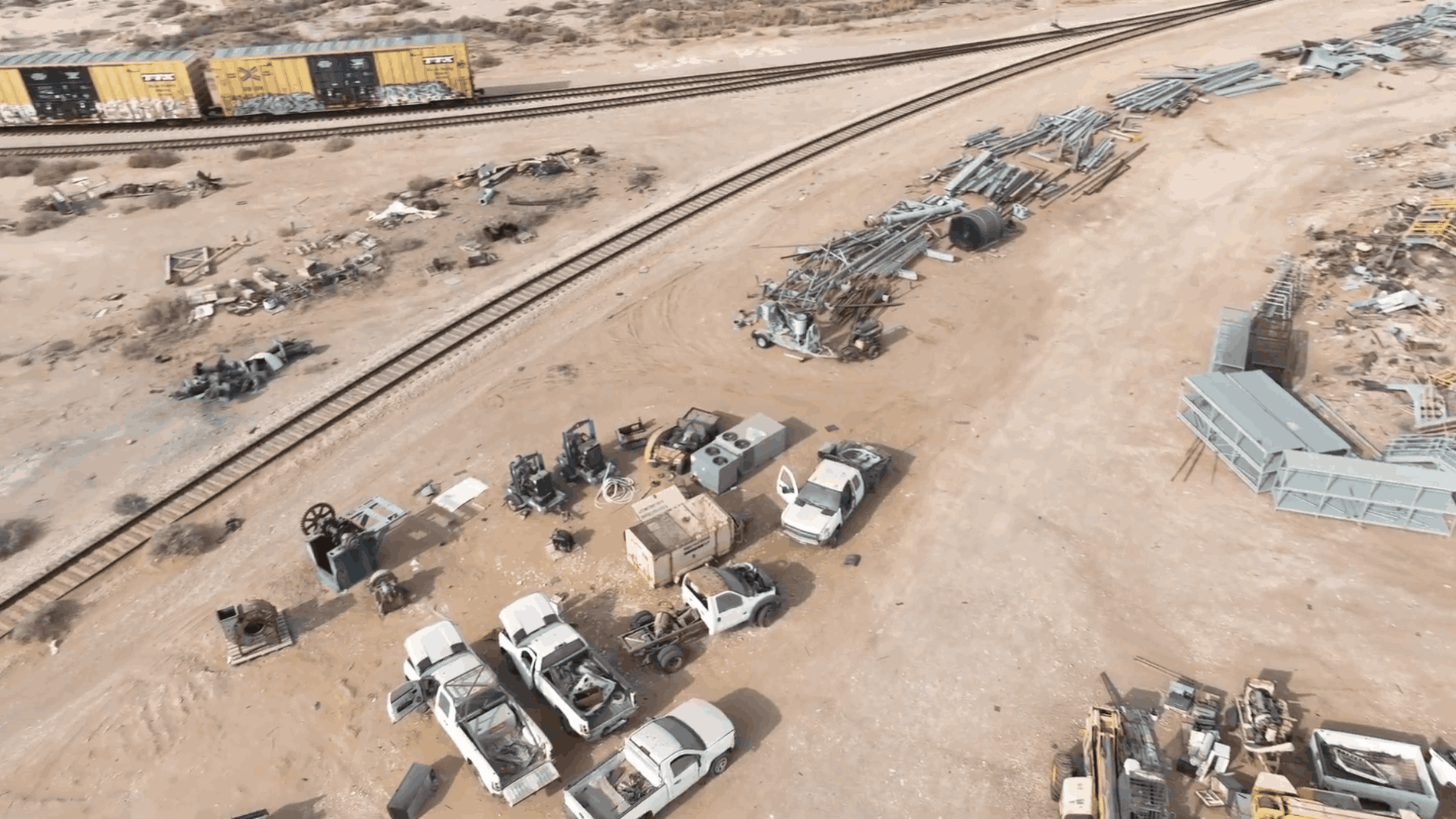
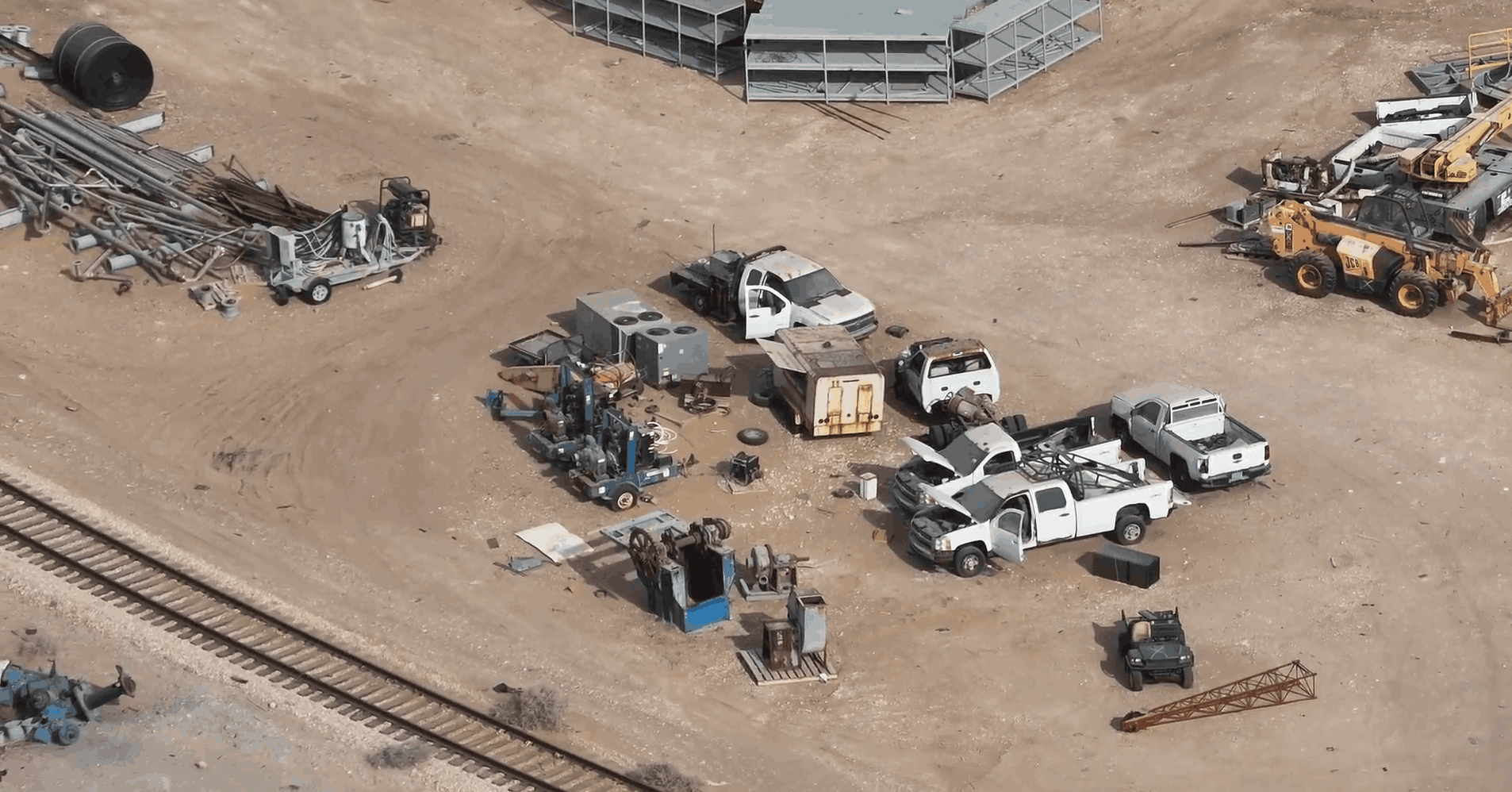
- Unused or abandoned heavy equipment can quickly become a safety hazard and take up valuable space on industrial sites. Whether it’s outdated processing machinery, damaged equipment, or decommissioned units, removing it properly requires planning, the right equipment, and coordinated transportation.
- We help facilities evaluate, prepare, and remove used heavy equipment so sites can reclaim space and maintain safe operations.
- Clear Out Old Machinery Safely and Efficiently
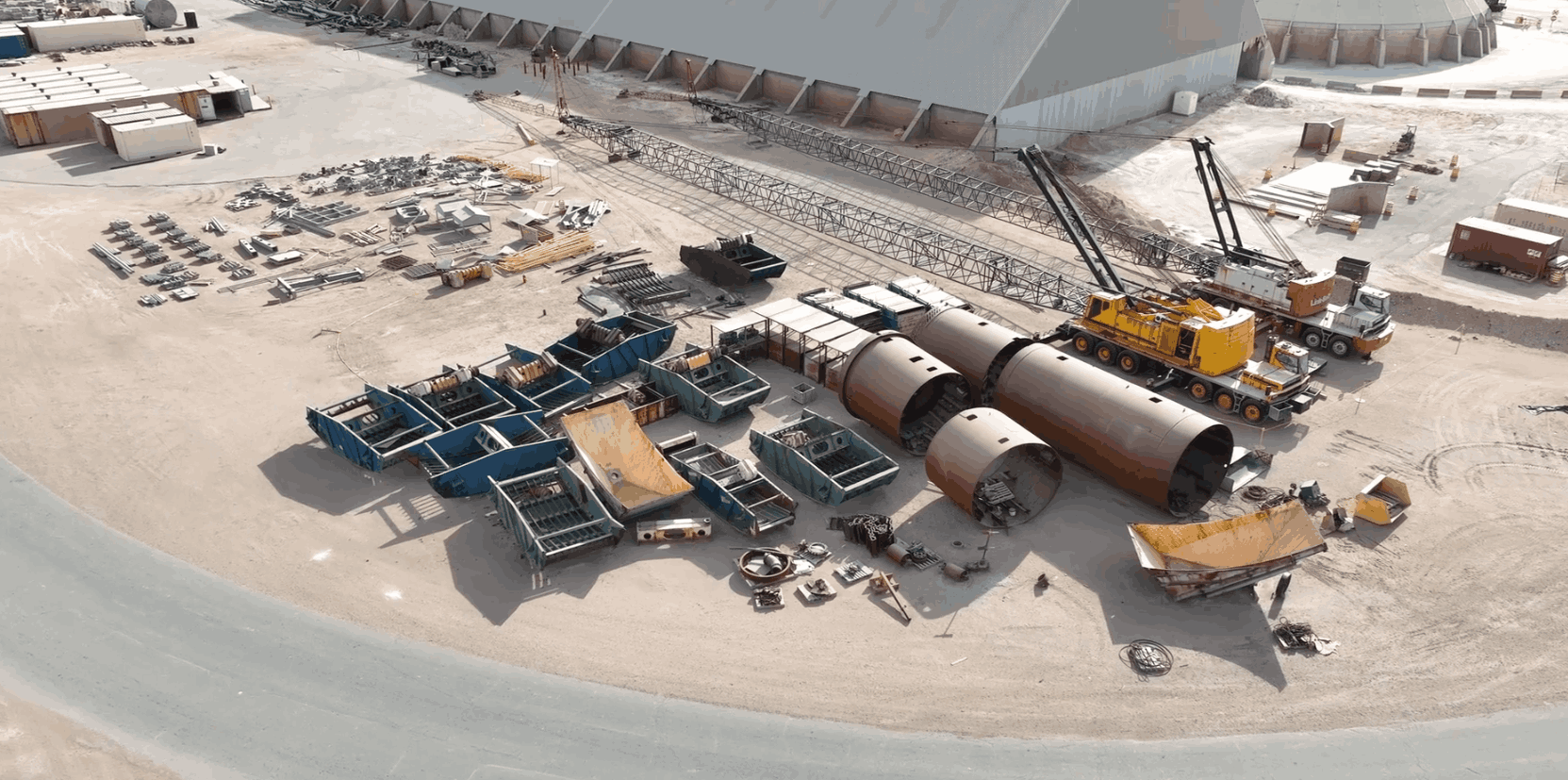
Site Assessment & Planning
-
- Every cleanup project starts with understanding the equipment and site conditions. Our team reviews:
- Equipment size and weight
- Structural condition of the machinery
- Accessibility for loading equipment
- Potential salvage or parts recovery value
- Transportation requirements
- Every cleanup project starts with understanding the equipment and site conditions. Our team reviews:
-
- Some machines can be removed intact, while others require dismantling to meet transport limits.
Equipment Preparation
-
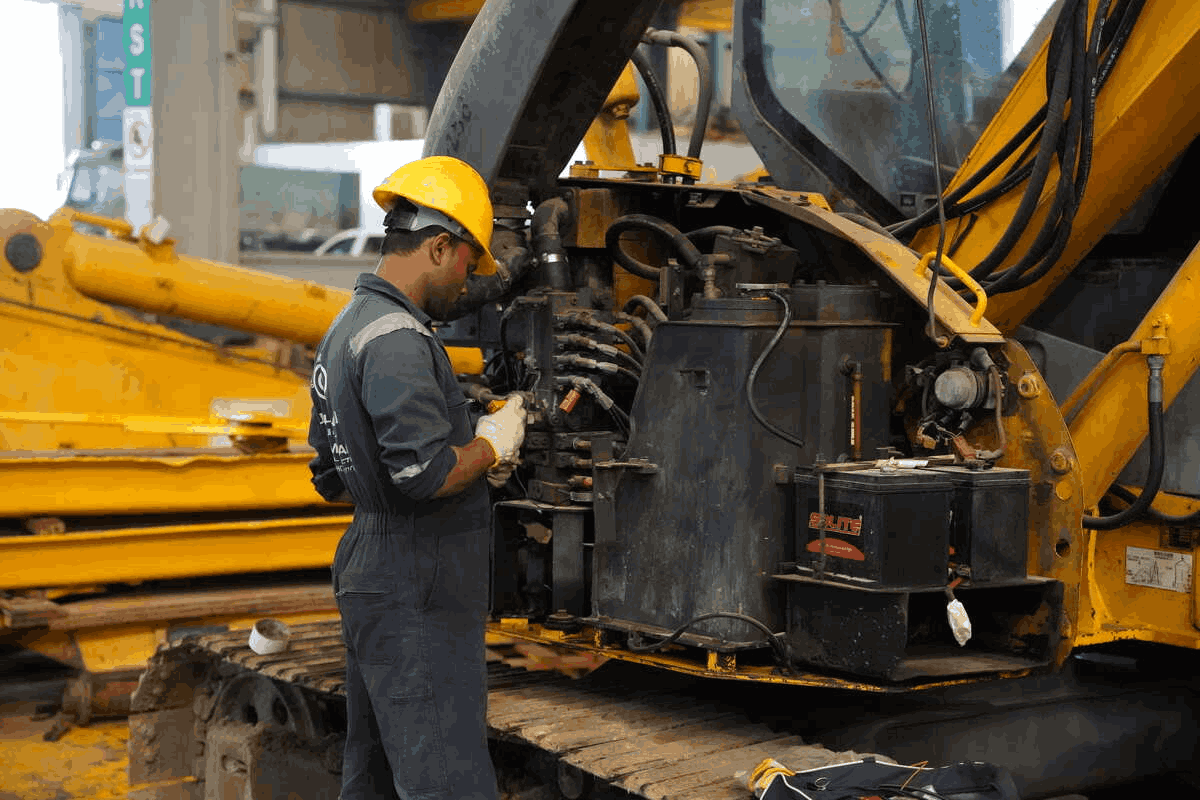
- Before heavy equipment can be moved, it must often be prepared to ensure safe transport.
- Preparation may include
- Draining fuel, oil, hydraulic fluids, and coolant
- Removing attachments such as buckets, conveyors, guards, or motors
- Disconnecting power sources
- Separating major structural components when necessary
- Before heavy equipment can be moved, it must often be prepared to ensure safe transport.
-
- Proper preparation helps prevent environmental issues and ensures loads remain safe during transport.
Downsizing Equipment for Transport
-
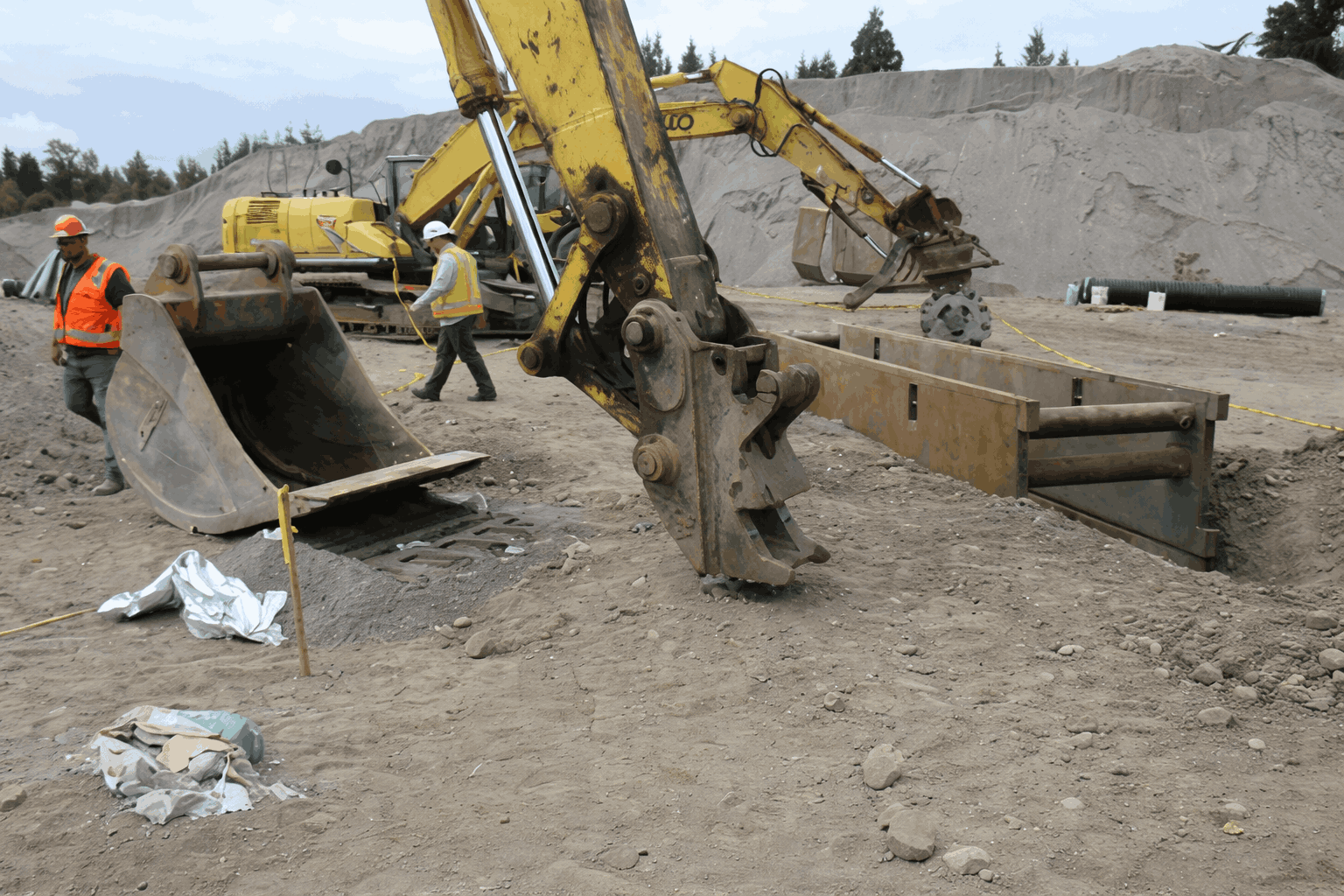
- Large industrial machinery often exceeds highway transport limits. In these cases, equipment must be broken down into manageable sections.
- Common methods include:
- Mechanical dismantling of machine components
- Torch cutting structural steel frames
- Cold cutting using saws when flame cutting is restricted
- Hydraulic shears for heavy structural materials
-
- This allows equipment to be safely loaded and transported without exceeding weight or size limits.
Loading Heavy Equipment
-
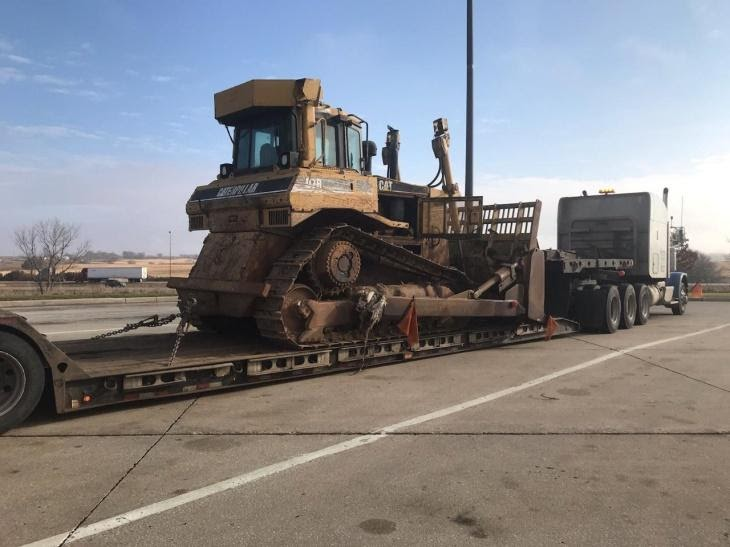
- Once machinery is prepared, the next step is safe loading for transport.
- Depending on the project, equipment may be loaded using:
- Cranes for heavy lifting
- Forklifts for smaller components
- Winches for pulling equipment onto trailers
- Heavy Duty Frontend Loader
-
- Proper weight distribution and load securement are essential for safe transportation.
Transportation & Logistics
-
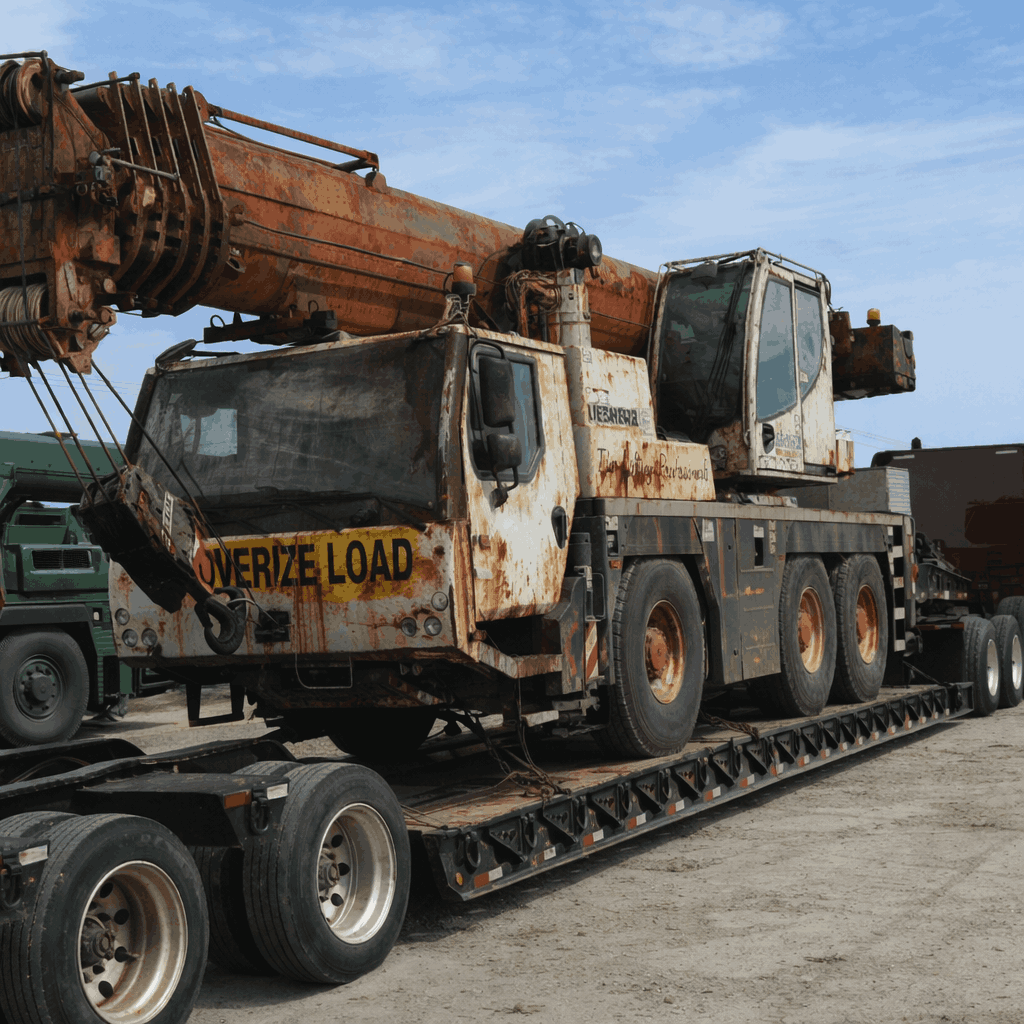
- Typical transport methods include:
- Lowboy trailers for large intact machinery
- Flatbeds for dismantled equipment components
- Roll-off containers for smaller scrap materials
- Step-deck trailers for mid-sized equipment
- Typical transport methods include:
-
- Our team coordinates transportation logistics to ensure equipment is moved efficiently and safely.