SOP Poly-Pipe Cleanup
Tools and materials required:
● PPE
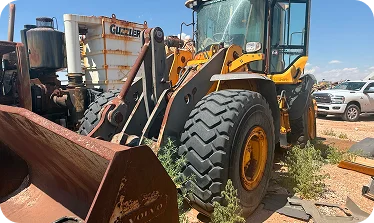
● Telehandler Forklift
● Chainsaw tool
● 50-1 fuel
● 48cc or larger chainsaw
● Chains with hooks
● Pipe Stakes (if loading flatbeds)
● Spare Chainsaw blades
● Spare Chainsaw bars
Procedure:
Consolidate pipe using heavy equipment.
1. Long sections of pipe must first be cut into small enough pieces to be moved
through the yard.
2. A chain or strap must then be secured to one end of the pipe, this can done by
using a self-tensioning rigging using a chain with a hook on one end.
3. The other end of the chain must then be secured to sizeable piece of equipment
with enough power to drag the pipe section to the lay down yard.
4. Drag the pipe to the lay-down yard being careful to stay out of the way of other
vehicles and heavy equipment
Cut pipe to manageable size.
1. Pipe must be cut into the correct length for the type of equipment the pipe will be
loaded on. The procedure for cutting pipe is included below:
- Ensure that one end of the pipe is elevated with a block and ensure to
ONLY cut the pipe beyond the block as pictured below: {Insert pictures} - Ensure that the pipe you are cutting is not plugged full of sand and rocks
that you could be cutting into - Follow the manufacturer’s chainsaw starting procedure for the chainsaw
you plan to use - You are now ready to begin your cut
- Carefully cut the pipe following all safety rules applicable to your tools and
environment. - Make sure to shut down the chainsaw and clean all the melted plastic
from the gear assembly and other moving parts.
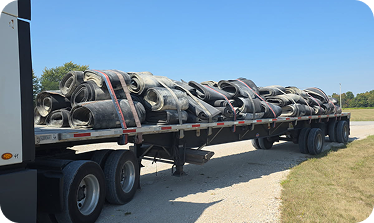
2. If a flatbed is being used to ship the pipe, the pieces must be cut into 40’-48’
lengths.
3. If a shipping container is being used to load the pipe, the pieces must be cut into
the correct size to fit the container. Usually 39’
4. If loading a van trailer, or walking floor trailer, pipe can usually be 40’-53’ long.
5. Always ensure the size of the trailer that will be hauling the material
Ensure pipe has been cleaned of debris
1. Ensure the pipe is not plugged, or filled, with sand, dirt, mud, concrete, etc. There
will always be some dirt and residue on the pipe but ensure that it is not plugged
or filled with sand, dirt, mud, concrete, rocks, oil, etc.
2. Ensure that there is very little, or no, metal contamination on the plastic. Such as
metal collars, flanges, valves, screens, etc.
3. There will always be some surface dirt on the material. But ensure that
contamination with other materials does not become excessive to the point that it
will affect the weight or make the material harder to process.
If Loading a Flatbed Trailer
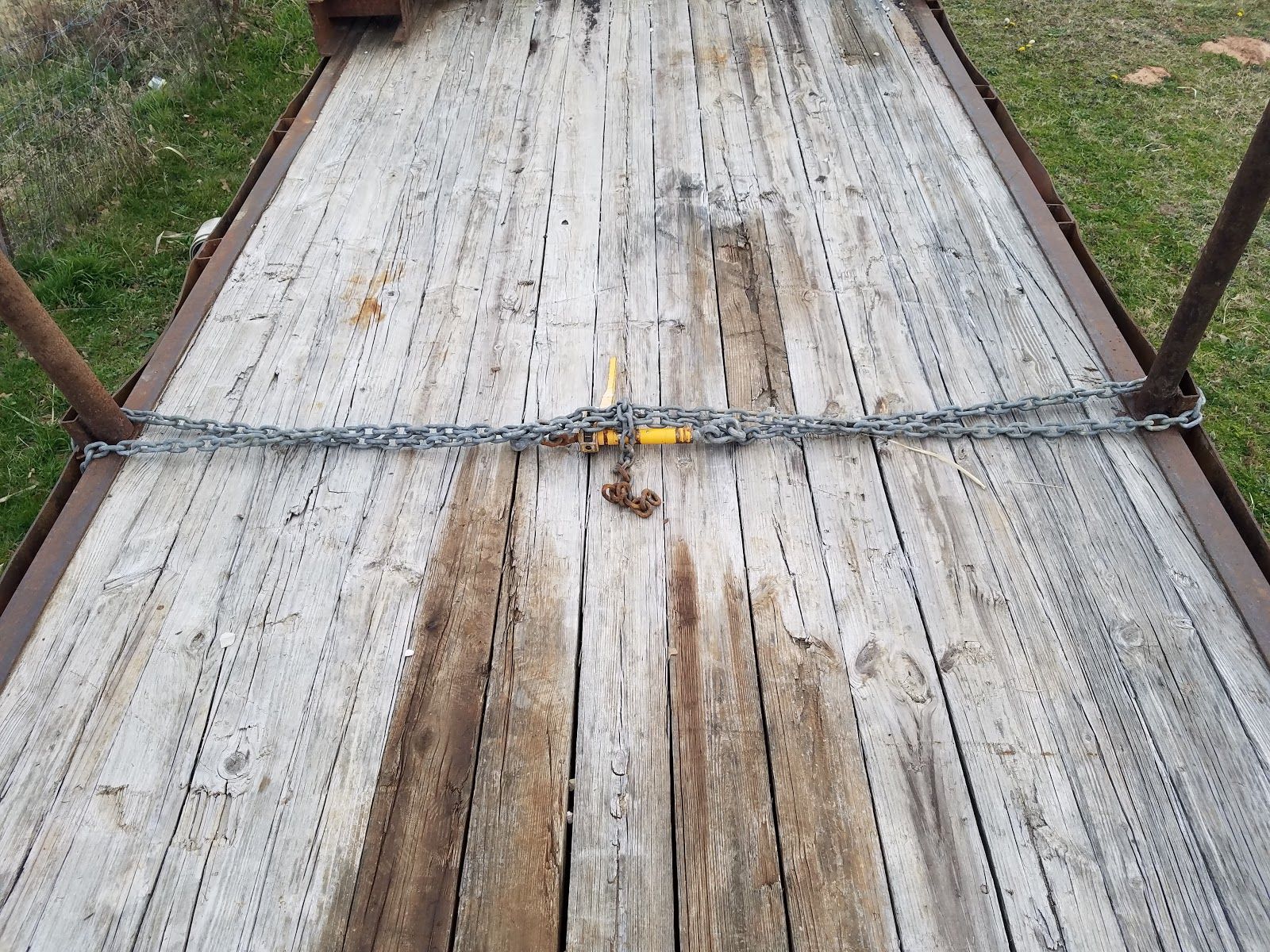
1. Install side stakes and chain side stakes across the bed such that the stake on the left
side of the bed is chained to the stake on the right. Tighten chains using binders.
2. Clear the loading area of any unnecessary personnel.
3. Begin to load the pipe using heavy equipment.
4. Once a few layers of pipe are on the trailer. Chain the side stakes again by adding
another layer of chains and binders. Side stakes should bend SLIGHTLY inward toward
the center of the trailer to prevent bowing outward.
5. Finish loading the pipe to the top of the side stakes.
6. Ensure the load is properly secured by seeing the driver strap and secure it.
7. Escort the driver of the load off the premises. And ensure there’s no shifting of the load
as they leave.
If Loading Van Trailers or Shipping Containers
1. If loading van trailers or shipping containers the pipe must be inserted from the open end
of the container using heavy equipment.
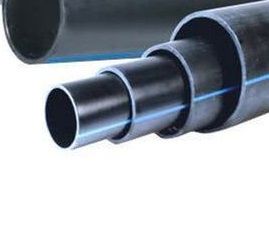
2. Smaller pipe must be placed inside larger pipe if different sized pipes are available.
3. The load will continue until the top of the trailer is reached and no more pipe can fit
inside.
4. The doors of the trailer are then shut and the driver can leave with the load.
If Loading an End Dump
1. Not all End dumps are created the same. First ensure that the heavy equipment you’re
using to load, can reach high enough to load over the side of the end dump.
2. The end dump container can be loaded from either side or from the back.
3. To load, simply scoop the material up, trying not to get any dirt along with the material.
And dump it into the end dump container. Keep the load as uniform, and level, as
possible. Do not stop loading until no more material will physically fit in the container, or
the maximum load weight is reached (this is very rare, typically we will never max out a
truck when shipping with end dumps).
4. Ensure that the driver has closed the doors and is ready to head down the road
5. If necessary, take the truck to be weighed at a scale and keep the scale tickets. Also be
sure to take a picture of the scale tickets.